

Bike Odyssey’s Hannibal: the best Mediterranean bike tour
Catalonia, the Provence, Alps, Piedmonte, Tuscany: one by one great cycling destinations. Why choose one of them if you can explore each one of them extensively with Bike Odyssey’s Hannibal Bike Tour? “Hannibal is probably the best Meditterranean bike tour.”
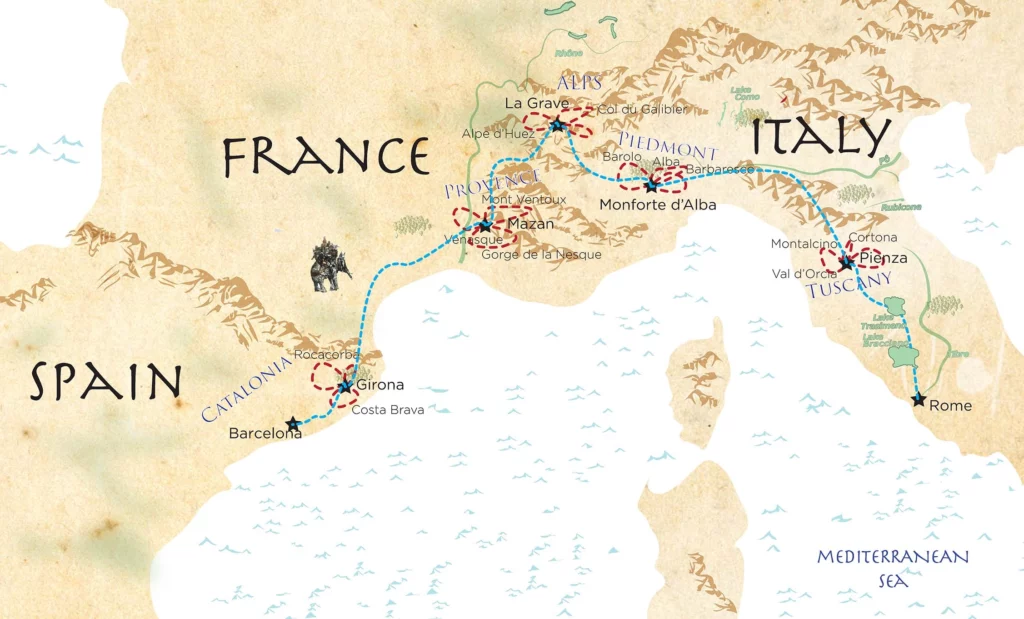
The concept of the Hannibal format is simple: it takes place across five carefully chosen locations and in each location, we stay three nights in one great hotel, making a total of five hotels across the entire journey. Each stop includes three days of riding, designed for a deeper exploration of our favourite routes both on Hannibal and across Europe. Every day offers multiple cycling options, from easier to more challenging routes, so it works for different rider levels. In total, Highlights of Hannibal covers 15 nights and 16 days.
The full Hannibal Odyssey, for comparison, runs for 33 days and 32 nights. That’s just perfect to explore anything that Catalonia, the Provence, the Alps, Piedmonte and Tuscany have to offer.
Dit bericht op Instagram bekijken
Een bericht gedeeld door Bike Odyssey | Exceptional Cycling Adventures (@bike.odyssey)
Why these five cycling destinations?
Highlights of Hannibal is Bike Odyssey‘s ‘best of’ adaptation. They’ve have selected their favourite parts of the Hannibal Odyssey to explore in depth, with less hotel changes and more cycling options.
Catalonia
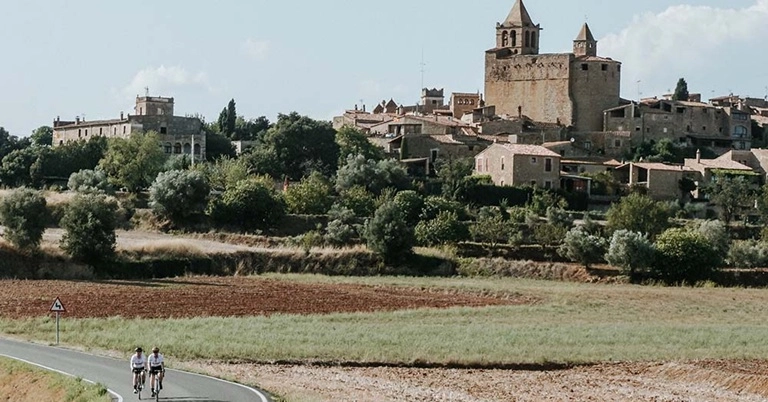
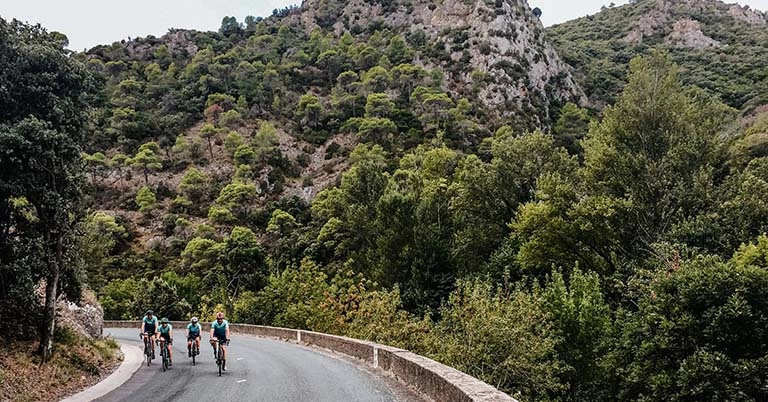
Girona, the historic cycling hub and a true rider’s base, is widely regarded as one of the best cities in the world to explore by bike. It’s a place where many professional teams are based, so it’s common to see riders out training on the surrounding roads. From here, the Costa Brava opens up with its mix of small Spanish coastal villages, smooth roads and a rugged Mediterranean shoreline that makes every ride feel varied and scenic. A standout challenge is Rocacorba, the well-known climb just outside Girona that’s a regular feature for many pros. On top of the riding, Catalonia brings rich history and excellent local food right to your doorstep.
Provence
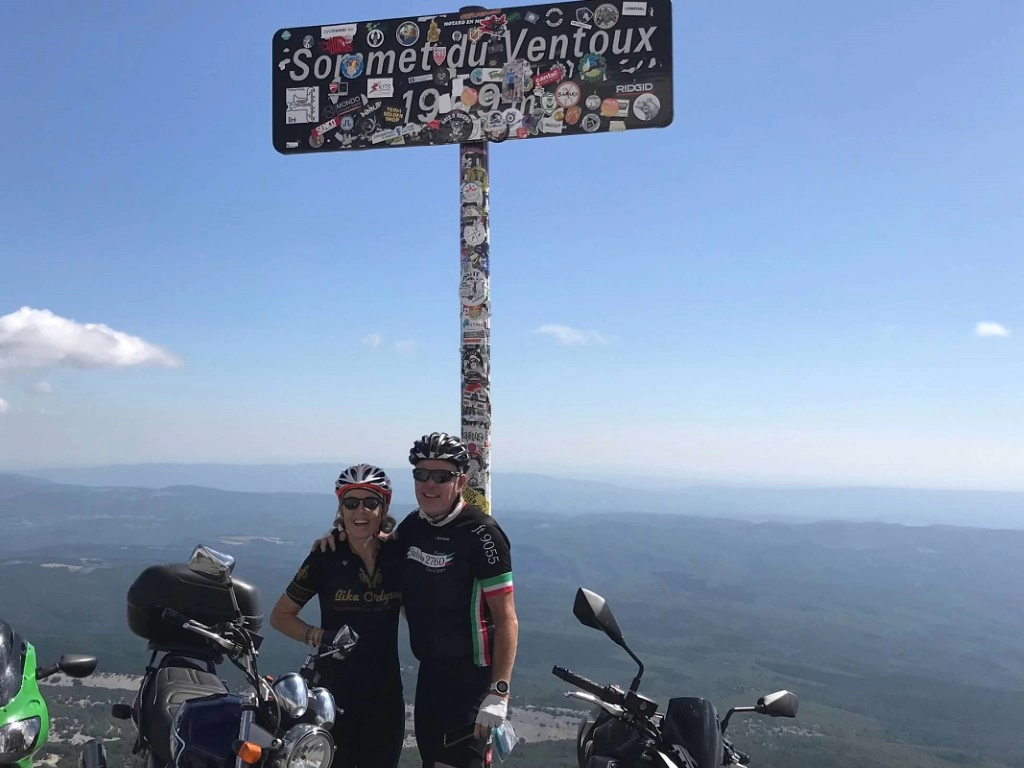
Set in a charming château in a quiet Provençal village, this base sits just beneath Mont Ventoux, one of the most iconic climbs in French cycling. The region is defined by wide vineyards, lavender fields and some of France’s most beautiful villages, including Gordes, Venasque, Vaison-la-Romaine and Roussillon. Riding here includes some of the finest routes in the country, especially through the Gorges de la Nesque and the Luberon, widely considered a highlight of French cycling. Off the bike, it’s all about Provençal cuisine and local wines such as Châteauneuf-du-Pape, making it a strong culinary stop as well.
Alps
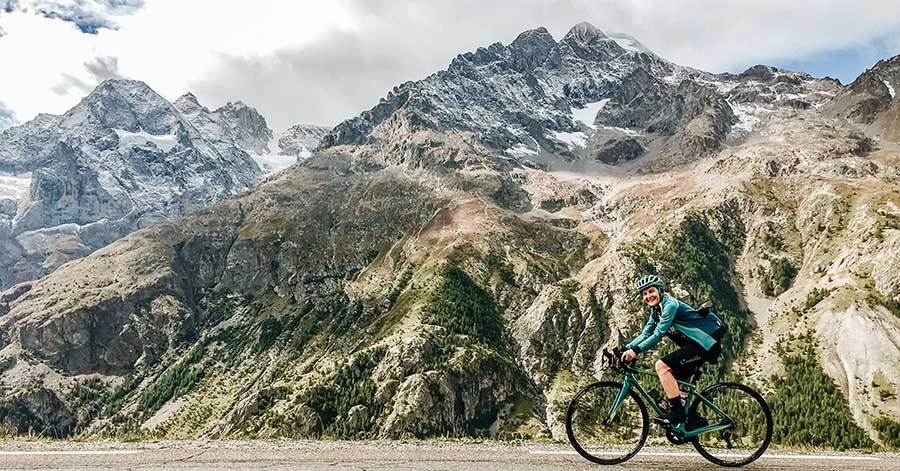
La Grave, officially listed among Les Plus Beaux Villages de France, is a small mountain village with a dramatic setting surrounded by high peaks and glaciers. It’s one of our most loved bases, with a welcoming alpine lodge atmosphere, great hosts, and excellent food and wine. From here, riders can choose from some of the most famous climbs in cycling, including the Col du Galibier, Alpe d’Huez, Col d’Izoard, Col du Lautaret, Montgenèvre and Col du Granon, depending on how hard you want to go. For those who prefer a slower pace, the mountain setting alone is enough, with glaciers rising all around and a landscape that feels completely untouched.
Piedmont
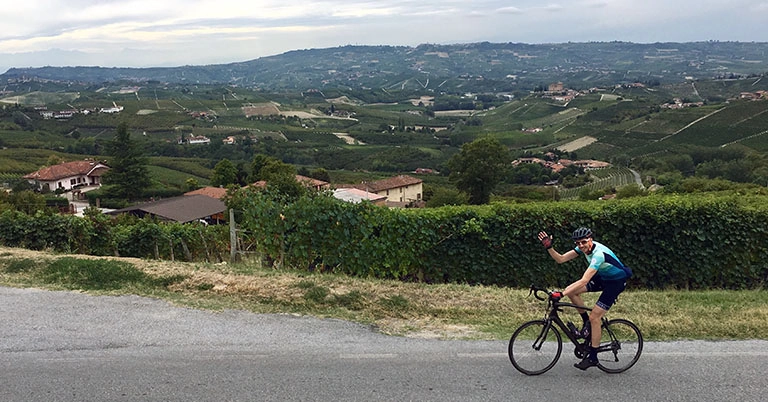
Monforte d’Alba sits in the heart of the Barolo wine region, one of Italy’s most respected culinary and wine areas, close to Alba, known for chocolate and truffles. This is a region built on flavour and tradition, with Nebbiolo wines and local specialties like Ferrero Rocher originating nearby. Cycling here follows the rolling ridgelines of the Langhe, passing vineyards and quiet roads between wine villages such as Barolo, La Morra and Neive. It’s also deeply tied to Italy’s slow food culture, with many considering this one of the best food regions in the country. The area also connects to cycling history, with routes linked to Fausto Coppi and his legacy across the Langhe and Monferrato.
Tuscany
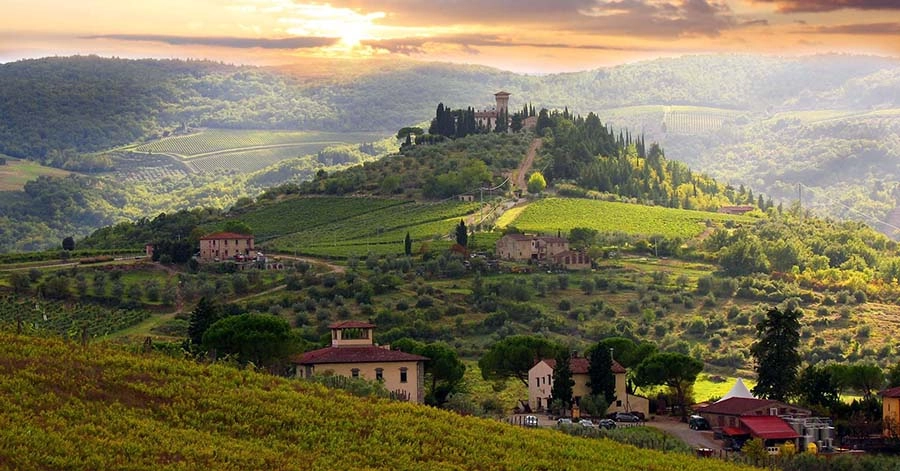
Pienza will be our base for three nights, a small Tuscan town that sits perfectly in the Val d’Orcia and offers direct access to one of Italy’s most iconic landscapes. The region is defined by soft rolling hills, farmhouses, vineyards, olive groves and cypress-lined roads that make it ideal for cycling. Nearby medieval towns such as Siena, Cortona, Montalcino and Montepulciano add depth to the riding, along with the historic setting of Lake Trasimene, where Hannibal famously defeated a Roman army over 2,000 years ago, a story still present in local place names and traditions. Tuscany also delivers on food and wine at every stop, from Brunello and truffles to olive oil and classic regional dishes.
Why ‘Hannibal’?
Hannibal Barca is considered one of history’s most accomplished military leaders. As commander of the ancient power Carthage, he spent much of his life in conflict with Rome and at one point came close to bringing the Roman state to collapse. Yet despite his impact, relatively little is known today about Hannibal himself or the Carthaginian civilisation he represented. What remains most vivid is one of his most extraordinary achievements: taking the war directly into Roman territory by crossing the Alps with an army that included nearly forty elephants, moving through snow-covered peaks into Italy.
This remarkable crossing was only one part of a much longer journey. Hannibal led around sixty thousand men from southern Iberia, through what is now France, across the Alps and into Italy, before eventually returning by sea to Carthage, in present-day Tunisia. For him, this campaign was deeply personal. From a young age he had sworn to his father, Hamilcar, to continue the fight against Rome, alongside his brothers Hasdrubal and Mago, who served as his key commanders.
Their struggle formed the central conflict of the Punic Wars (264–146 BC), the longest and most violent wars of the ancient world. At the height of Hannibal’s campaign, Carthage seemed close to victory, and the course of European history might have taken a very different direction. Today, Rome dominates how we imagine antiquity, but in Hannibal’s time the balance of power was far less certain.
When is the best Mediterranean bike tour?
2026 Hannibal Bike Tour Dates
Highlights of Hannibal runs from 25 August to 9 September 2026. The itinerary covers 16 days and 15 nights, with a total distance of 1242 km (772 mi). The route follows a “banana grading” difficulty system, as the website indicates.
2027 Hannibal Bike Tour Dates
Highlights of Hannibal runs from 24 August to 8 September 2027. The journey also spans 16 days and 15 nights, covering 1242 km (772 mi). The route follows a “banana grading” difficulty system, as the website indicates.
The full Hannibal Odyssey was 33 days (32 nights) and is still available as custom tour at Bike Odyssey.
Related stories