

Genís Grau: Trusting intuition and running instincts on the road to LA28
For professional triathlete Genís Grau, 2026 marks the start of a new Olympic qualification cycle. At 31 years old, the Catalan athlete is well aware of what this moment represents. Los Angeles 2028 feels within reach, but also unforgiving. Opportunities like this do not keep coming around forever. It may be now or never.
Story: Sjors Beukeboom & Adrian Ossorio. photography: Sjors Beukeboom
We meet Genís Grau in Olot on a calm Sunday morning in winter the mist still hanging low between the volcanic hills of the Garrotxa. The town is quiet, save for the sound of footsteps on gravel and the occasional cyclist passing by. Over the course of the day, we follow Grau through a full training routine, touching each of the three disciplines that define his life as a professional triathlete.
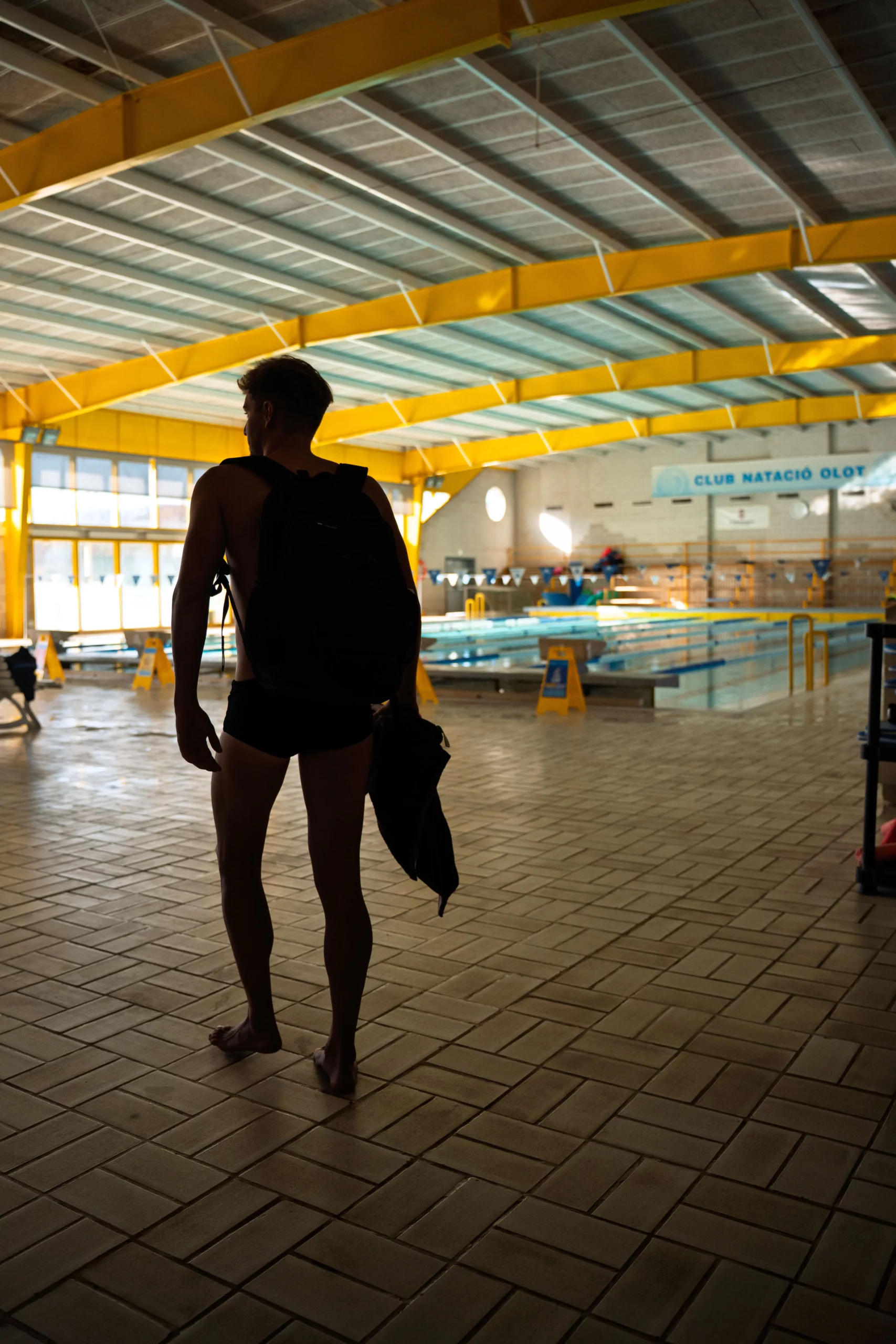
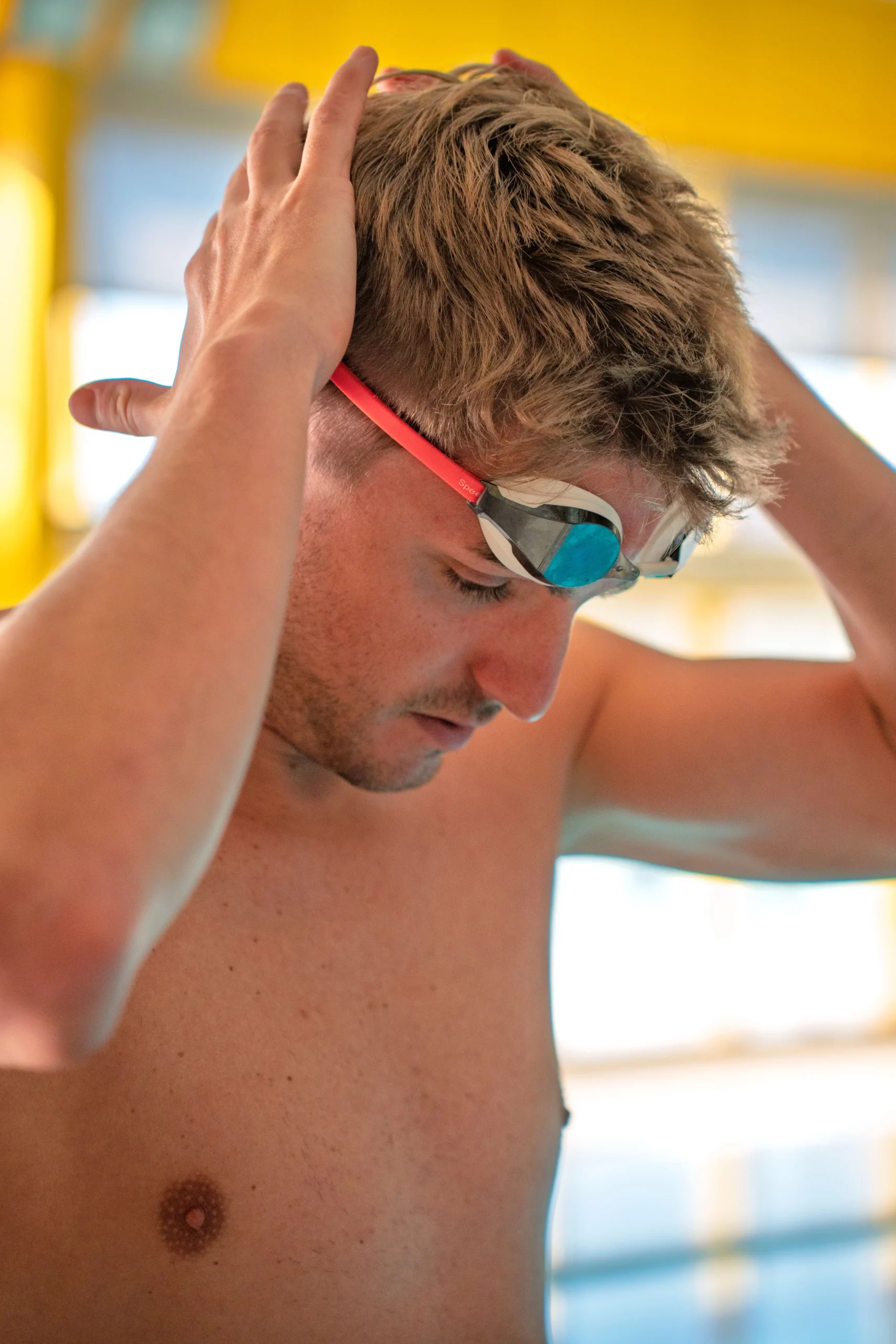
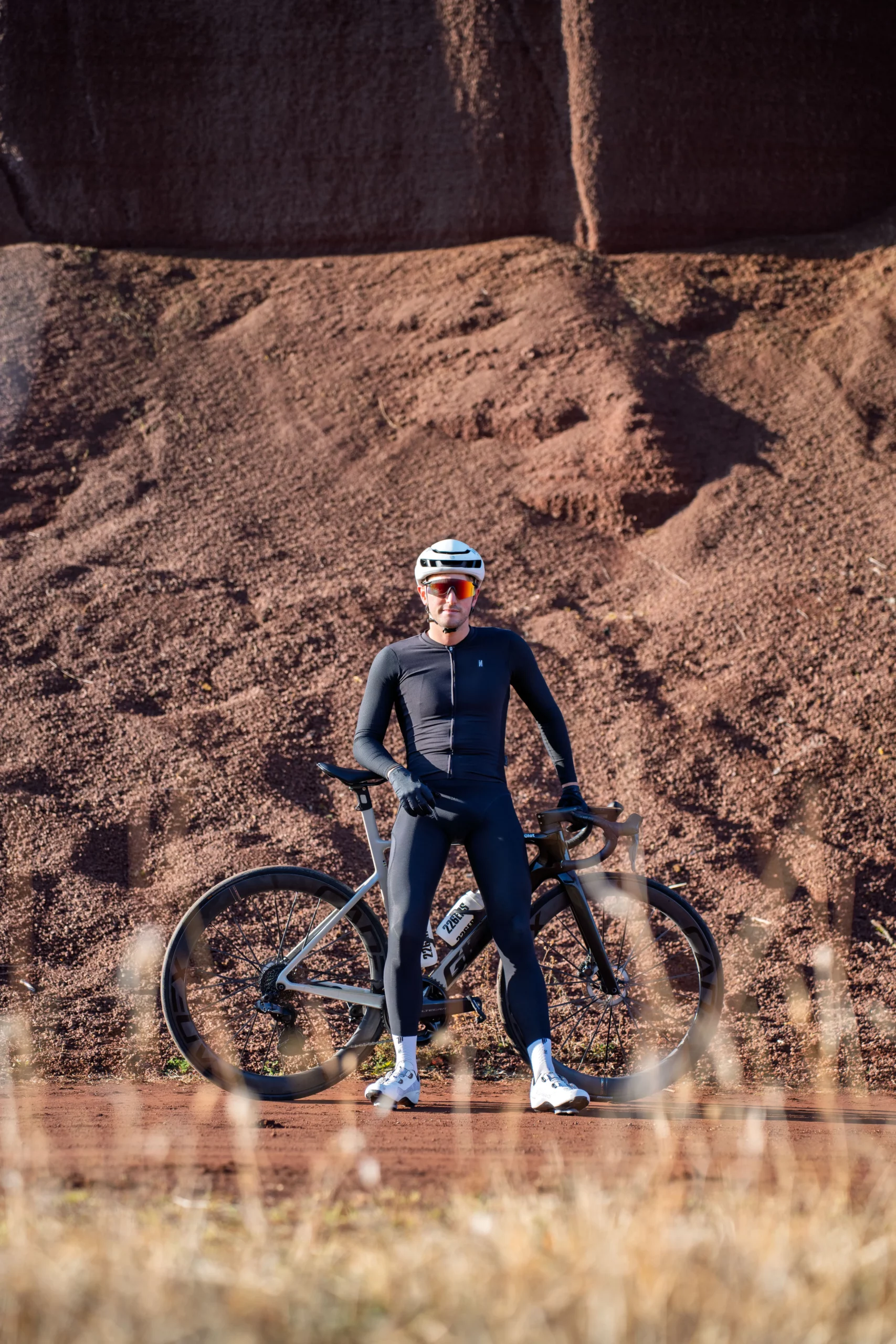
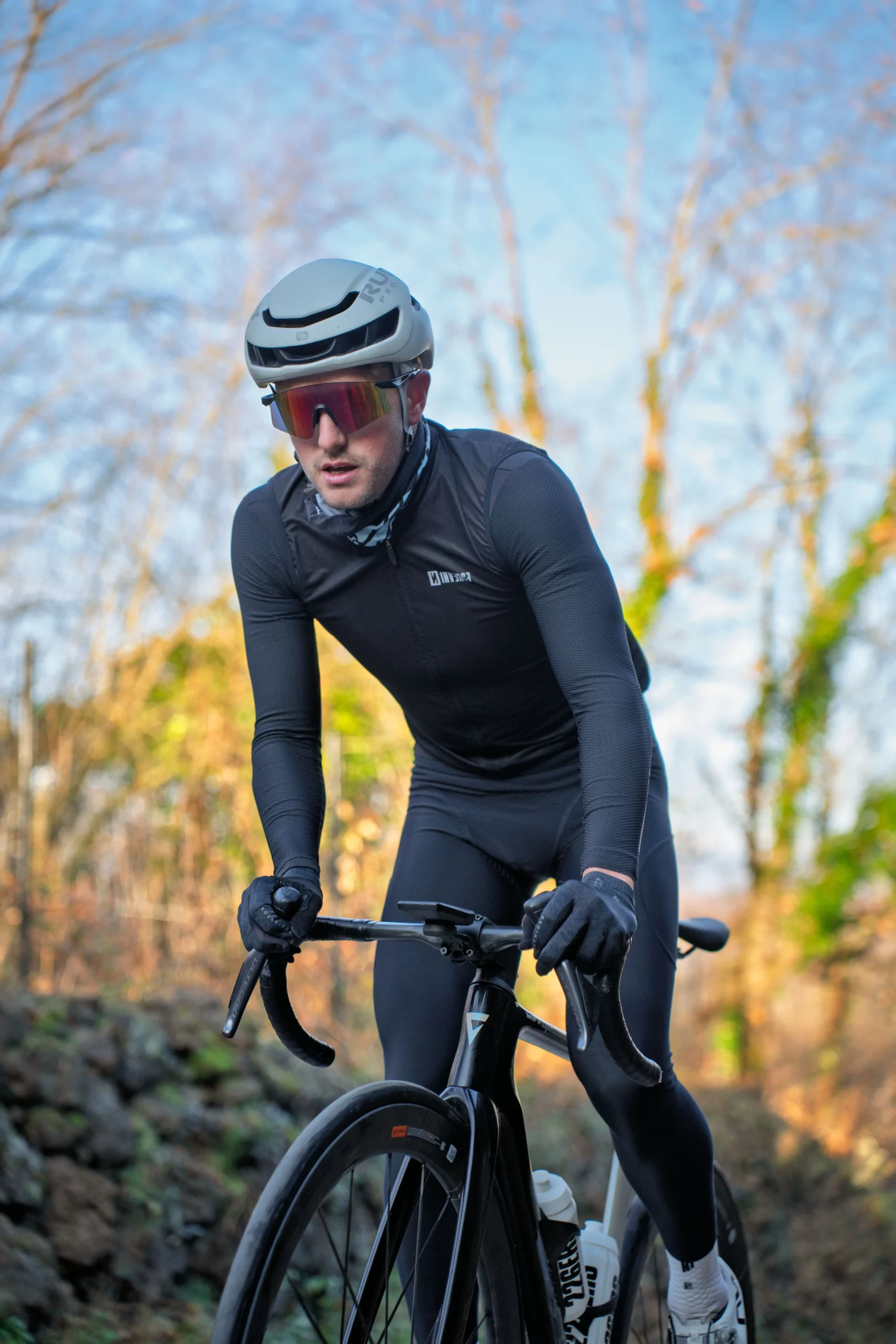
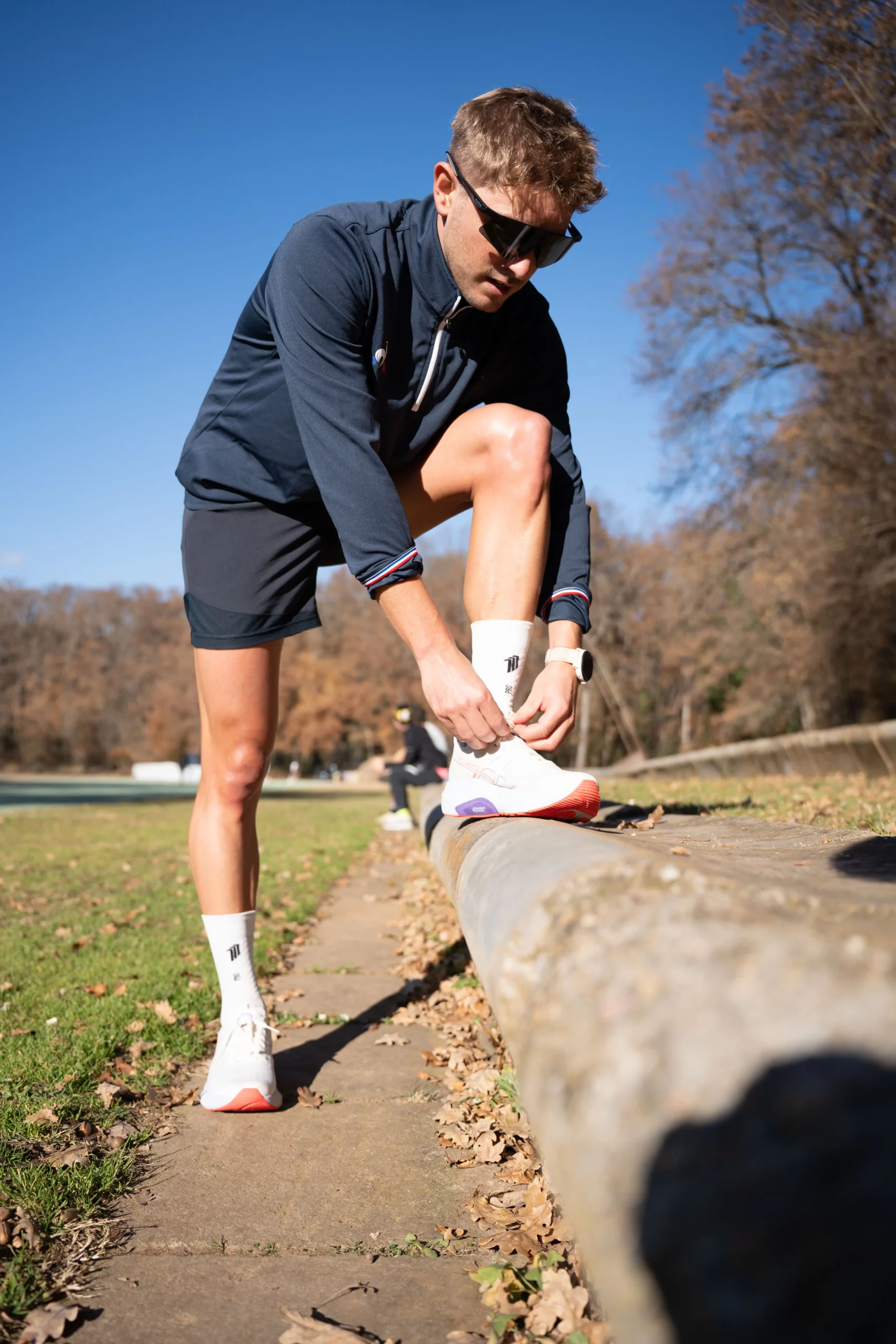
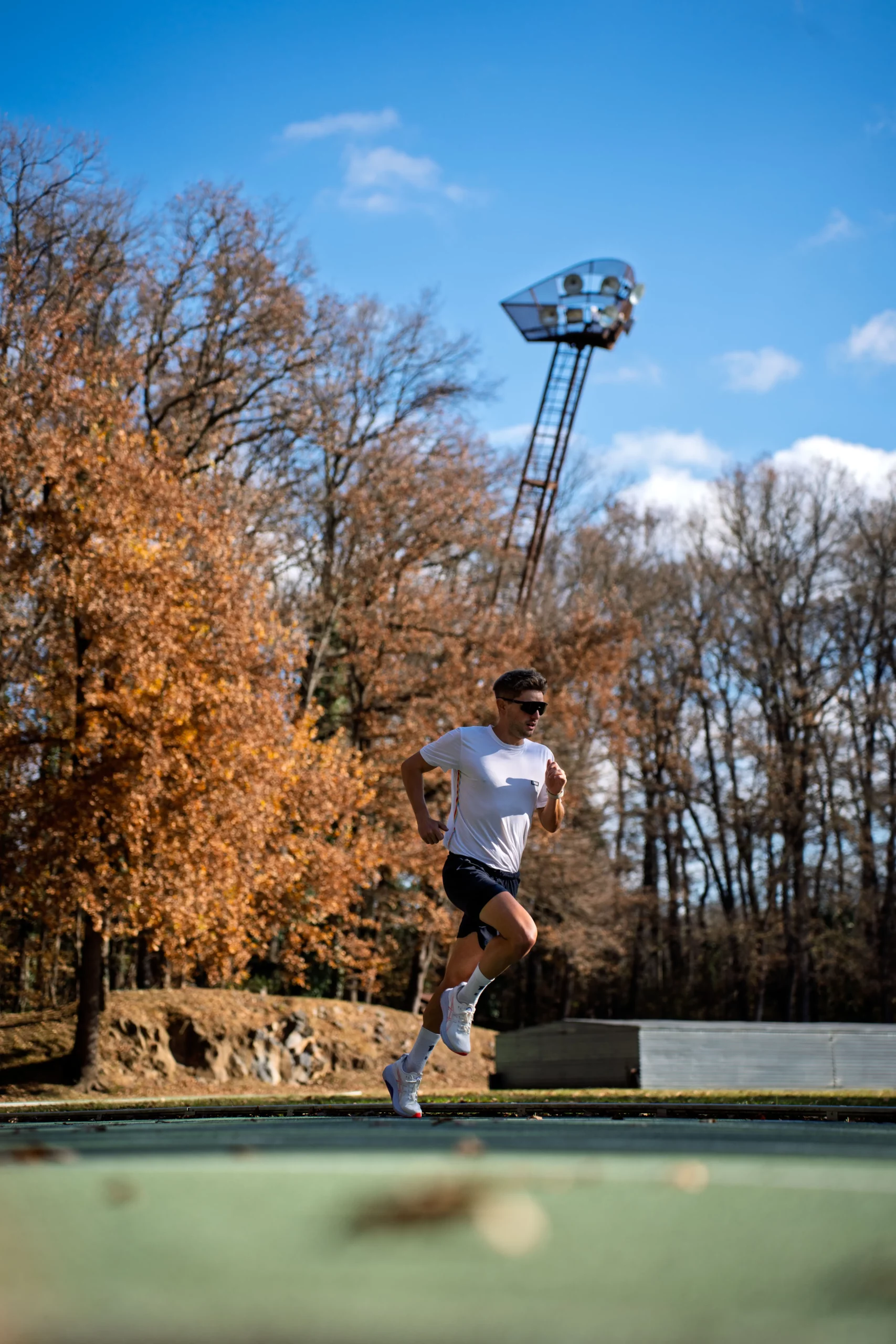
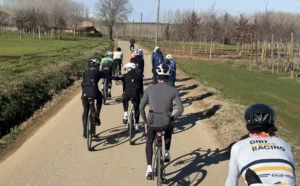
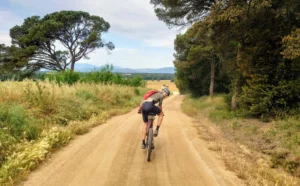
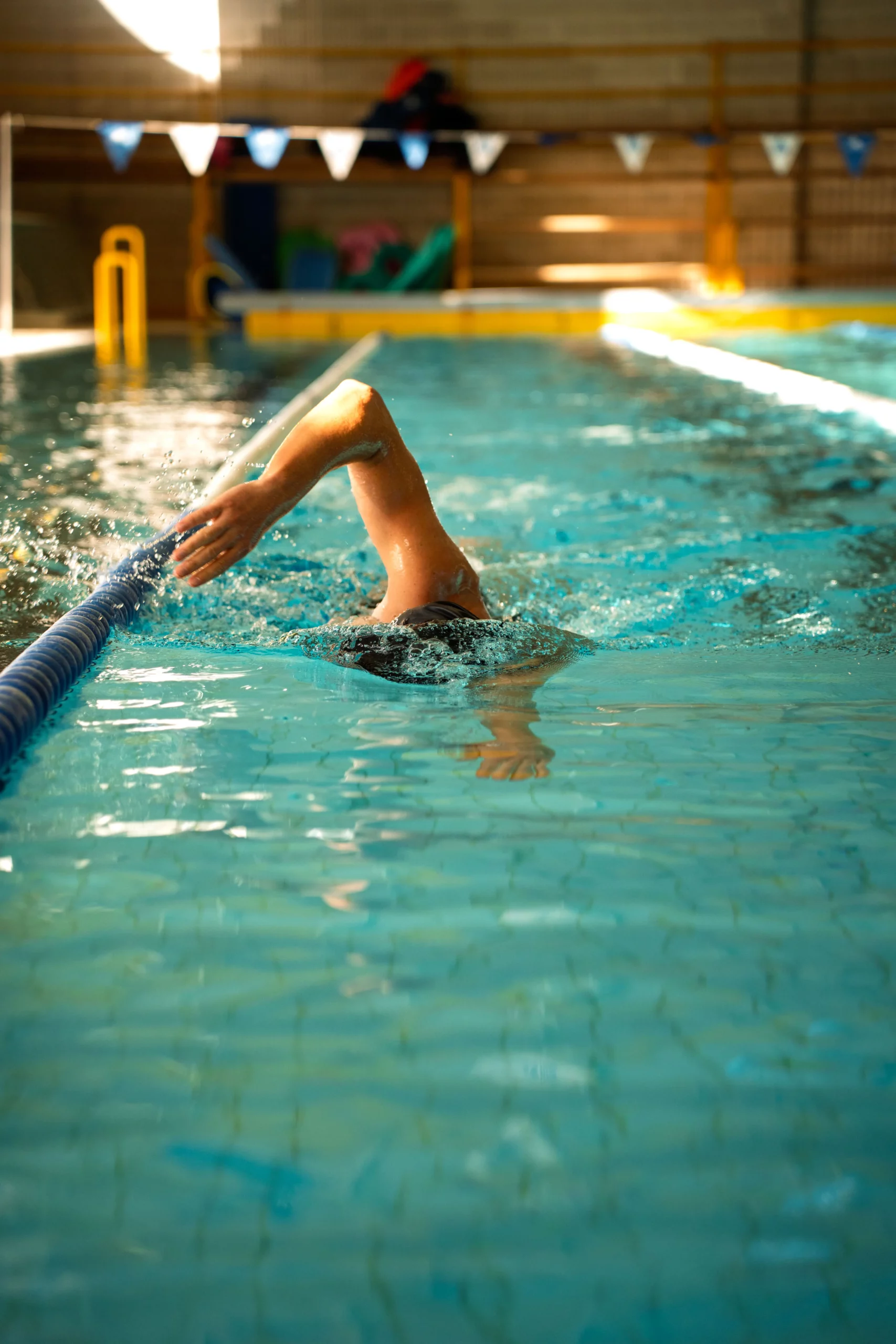
The day starts with a swim session at the Club Natació d’Olot, where he is moving through the water with the efficiency that only comes from years of training. Later, he continues his day with a ride rolling through the Garrotxa’s hilly roads, where volcanoes distract him constantly from the steep gradients and the serenity is somewhat meditative. Then, in the afternoon, we join the athlete sponsored by 226ERS on a run along the vies verdes around Olot. The pace is controlled but sharp, the kind of effort that looks relaxed from the outside yet demands full focus.
Grau does not regularly train all three disciplines in a single day.
“Or four if gym sessions are included. However, combining two sessions is pretty common for me.”
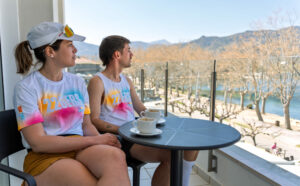
Between the today’s different training sessions, we sit down at Coffee Point, a small coffee shop close to the track and field stadium of Olot.
The previous season was not what Grau had hoped for. A long-lasting injury, particularly disruptive to his running, limited his ability to train consistently and race with confidence. Running, the discipline he loves the most and the one that has defined his profile internationally, became a source of frustration rather than a strength; with races lost as a result.
Join Genis Grau for a loop on the track in Olot. Move your fingers on the screen to change the 360 degrees perspective:
Having worked through that setback during the off-season, he now enters 2026 with renewed morale and a clearer sense of direction. Grau smiles often, reflecting his upbeat mood at the start of a new season. He comes across as open, positive, and genuinely excited about the season ahead. Most of all, there is relief. His running is finally going well again.
Best race memory
Among the many races in his career, one moment continues to stand out. His sprint victory at the World Triathlon Cup in Huatulco, Mexico, remains one of the most talked-about performances by the Catalan triathlete. He speaks vividly about this highlight in his career, unperturbed by the loud conversations taking place at neighbouring tables in the cafeteria.
After a tense race and a tightly packed field heading into the final kilometres, everything came down to the final sprint. In the last few hundred metres, Grau found the best line, timed his effort perfectly, and edged ahead at the tape; crossing the line first against strong international competitors. That final kick, measured and instinctive, is what turned the sprint into a defining moment.
Watch the race highlights of the World Cup in Huatulco (2022):
“It is probably my best race memory”, Grau says. “Not only because I won, but because of the way it happened. It was my first victory in a World Cup race, and moreover, I never expected it. I surprised myself by even being competitive for the win there.”
He looks back on those final metres with a bright smile. “It was a sprint where strategy made the difference. Choosing the right moment, the right position. That’s something I believe is one of my strongest points in triathlon: transitions and the sprint at the very end of the race. I had to decide when to launch based purely on intuition, and everything came together perfectly.”
Road to LA28, Grau’s biggest ambition
It is clear that Grau, the current Spanish national champion, has the ability to pit himself against the world’s best. He has proven this repeatedly across World Cups and European competitions. Yet the Olympic Games, a long-held dream, have so far remained just out of reach.
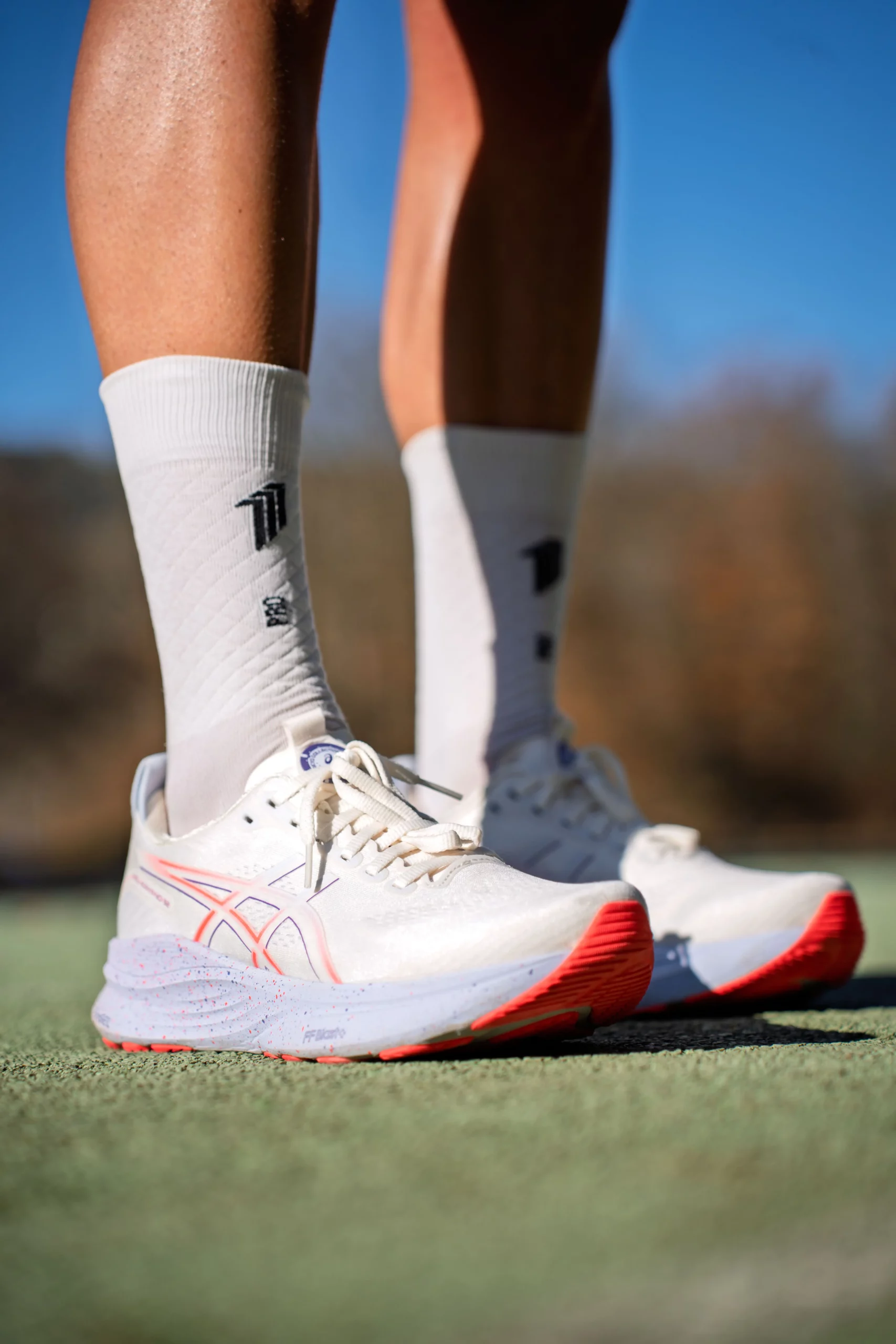
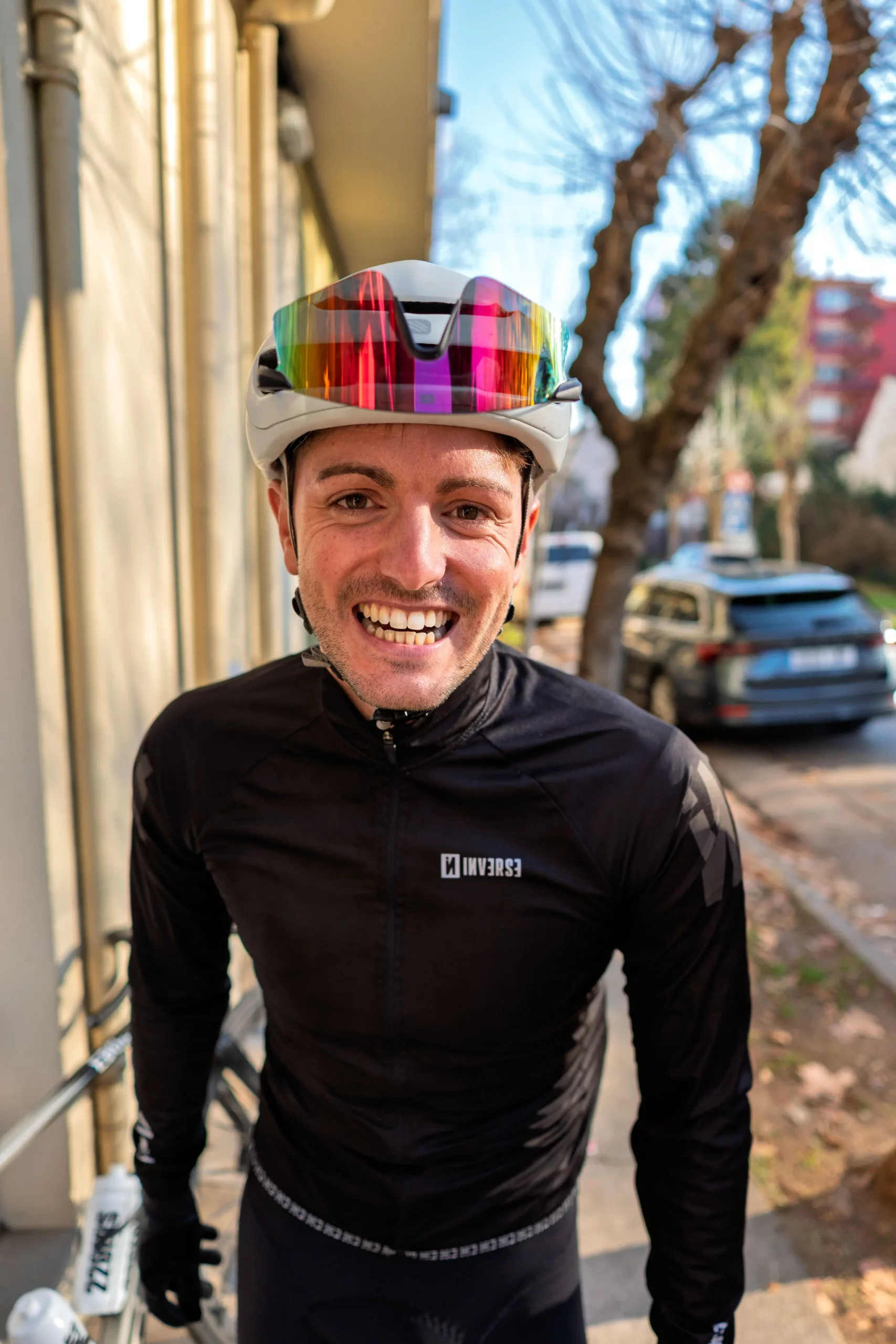
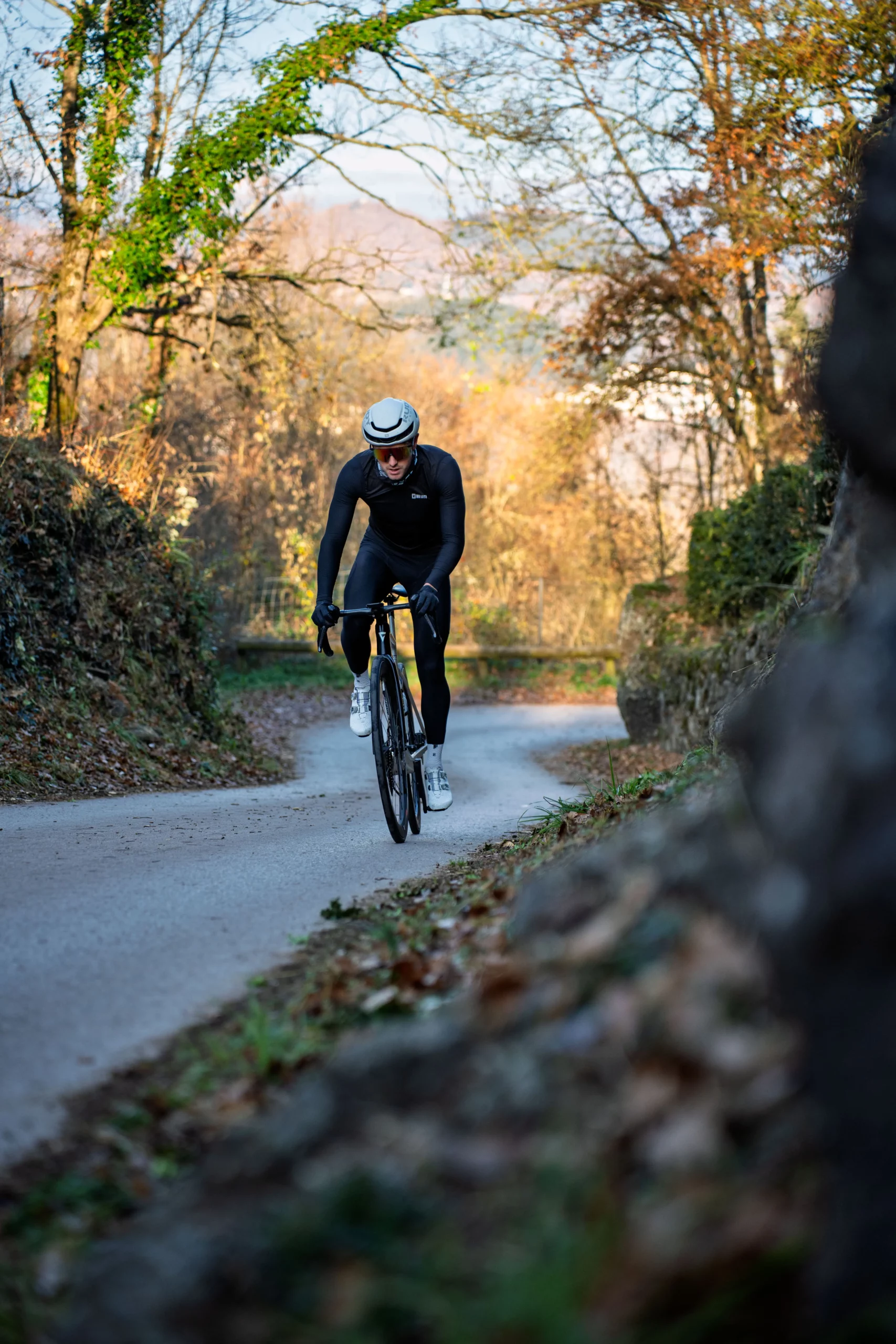
For the Catalan triathlete, 2026 is an essential year. It is about accumulating points, building consistency, and laying the foundation for selection for the Los Angeles 2028 Olympic Games.
Based in Castellfollit de la Roca, Grau approached the start of the season methodically. With his injury healed, he returned to racing through several running events of between 5,000 and 10,000 metres, alongside a heavy focus on base training across all three disciplines. More recently, he has competed in early-season races, using them as markers rather than goals.
“I believe I’ve fine-tuned my ideal preparation over the years”, Grau explains. “With all the experience I’ve gathered, I better understand how my body reacts. The season is long, especially when Olympic qualification is at stake. That’s why I have started calmly, with a lot of hours in each discipline; without rushing into very hard training sessions.”
“Since I believe swimming and running are the two most important disciplines in Olympic-distance triathlon, I have focused explicitly on those two throughout the winter months.”
Listen to Genis Grau’s ambition and path to LA28:
Genís Grau – Palmares:
Spanish National Champion (2025)
Winner – World Triathlon Cup Huatulco (2022)
Second – Europe Triathlon Cup Liévin (2022)
Second – European Triathlon Duathlon Championships, Târgu Mureș (2021)
Good food, supplements and quality sleep
“From Monday to Sunday, I train four times swimming, five to six times riding and five to six times running”, he describes. “Days without any training at all are rare.” It is a way of life that demands structure and discipline, and one that places great importance on recovery.
“I don’t use much modern technology in my sporting life, apart from pace and heart rate and sometimes with my coach lactate”, he says. “Ultimately, I’m an athlete who listens closely to the signals my body gives me. I train and race a lot on feeling and intuition.”
Day of the week | Swimming | Cycling | Running | Gym |
|---|---|---|---|---|
Monday | 8.00-9.30 | 11.30-12.30 | 16.00-17.30 | |
Tuesday | 8.00-9.30 | 11.00-13.30 | ||
Wednesday | 8.00-9.30 | 16.30-17.30 | 11.30-13.00 | |
Thursday | 8.00-9.30 | 11.00-13.30 | 16.30-17.30 | |
Friday | 8.00-9.30 | 11.30-13.00 | 16.30-17.30 | |
Saturday | 16.30-18.00 | 9.00-12:30 | ||
Sunday | 12.30-13.30 | 10.00-11.30 |
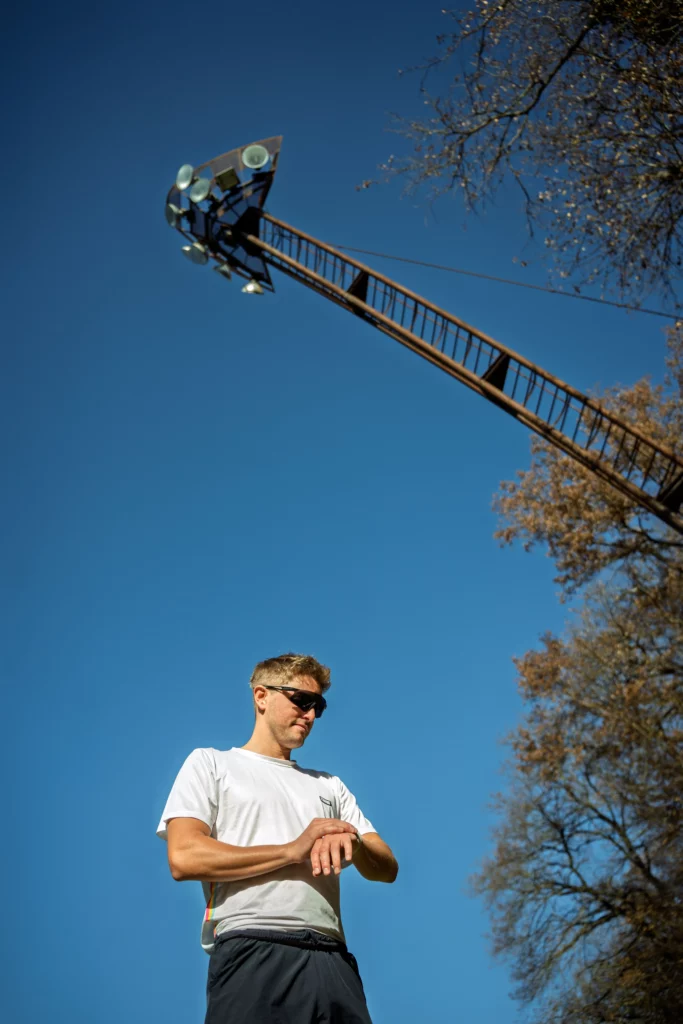
“Physically there are moments in training when I go by feel, depending on how I’ve rested, how I’ve slept, or how I’m feeling overall. If I feel very fatigued, I end up training more by sensations. If I need to lower or increase the pace, I do it based on how my body responds.”
“What I have noticed after so many years at a professional level is that in the days leading up to a competition, I often struggle to hit my usual rhythms, which is for instance nine hours of sleep. I feel as if I’m fatigued, and I’ve learned that this happens because the competition is approaching and the body goes into alert mode, trying to conserve as much energy as possible. So I know it’s actually a positive thing.”
It is obvious that, for him, the fundamentals still matter most. “I truly believe in the core elements of recovery: good food, supplements, and especially sleep. These are things that have evolved throughout my career. There is far more information now about their effects and benefits, and together with my coach, we follow the latest developments closely in order to use them as an advantage.”
“Then there’s Banyoles, which is incredible for swimming in the summer with the lake, and great for riding and running throughouat the year.”
“And here in Olot I have everything close by: my favourite track to run on, the via verda, a swimming pool, and a close-knit group of running friends. Most of them run 10 kilometres in under 33 minutes. Training with them pushes me every week, and they’re a big reason why I enjoy living here.”
From both a performance perspective as well as a social one, Grau seems to have everything aligned. Right on time for the long road toward LA28.
Related stories