

Villacidro: Gravel riding through open-air museums
Abandoned mines, murals, and empty roads: riding around Villacidro feels like exploring a vast open-air museum. Situated in southwest Sardinia, the town is still largely untouched by tourism and offers a unique riding experience, with adventurous gravel routes, and a deep dive into Sardinian history and culture.
Text and photos: Sjors Beukeboom
Nafent’s favourite route is of medium-high difficulty, with most of the climbing in the first part of the ride as we head towards Montevecchio, where we explore an abandoned mine. Gravel roads of varying quality connect various retired mining sites across the region, offering an extraordinary riding experience.

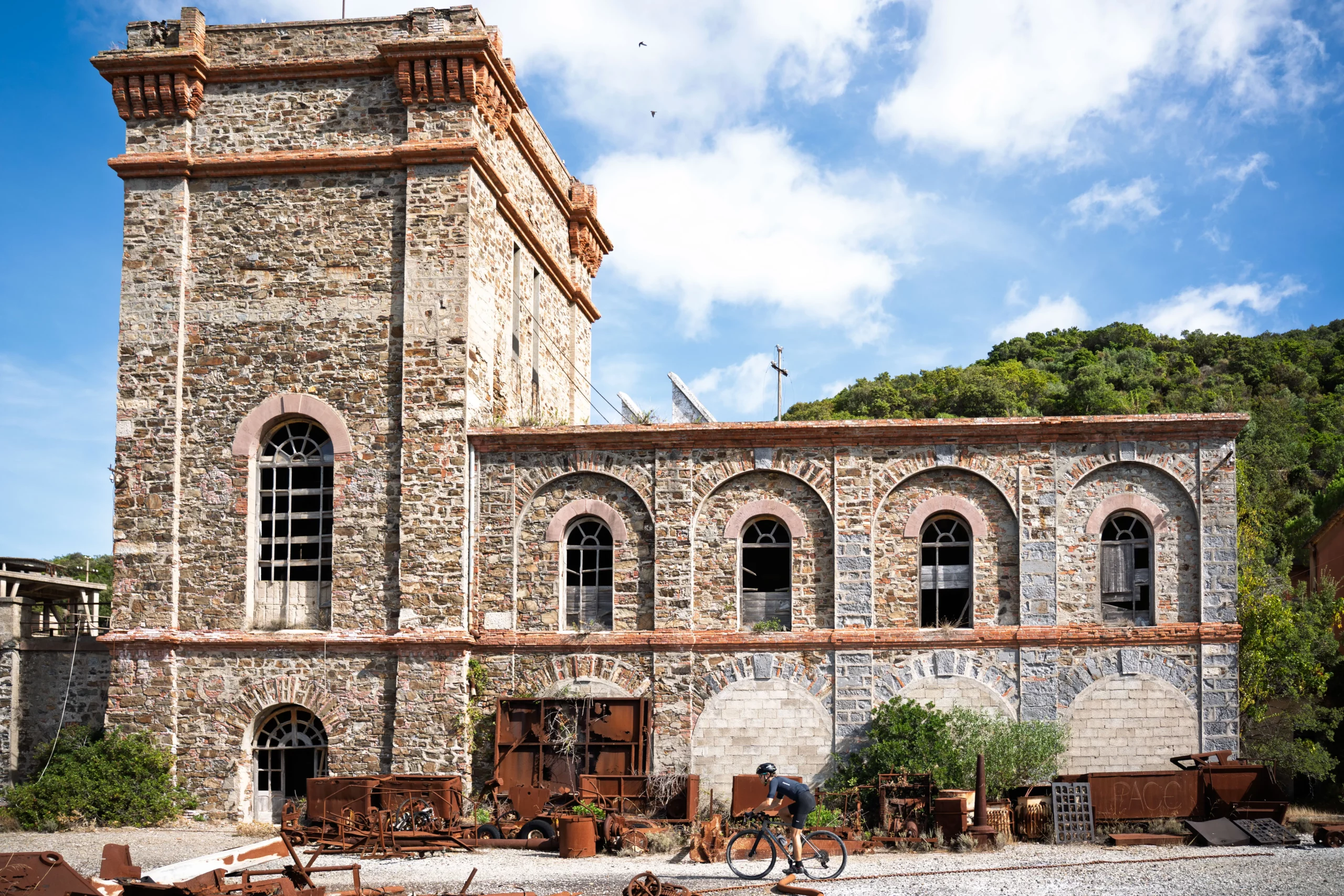
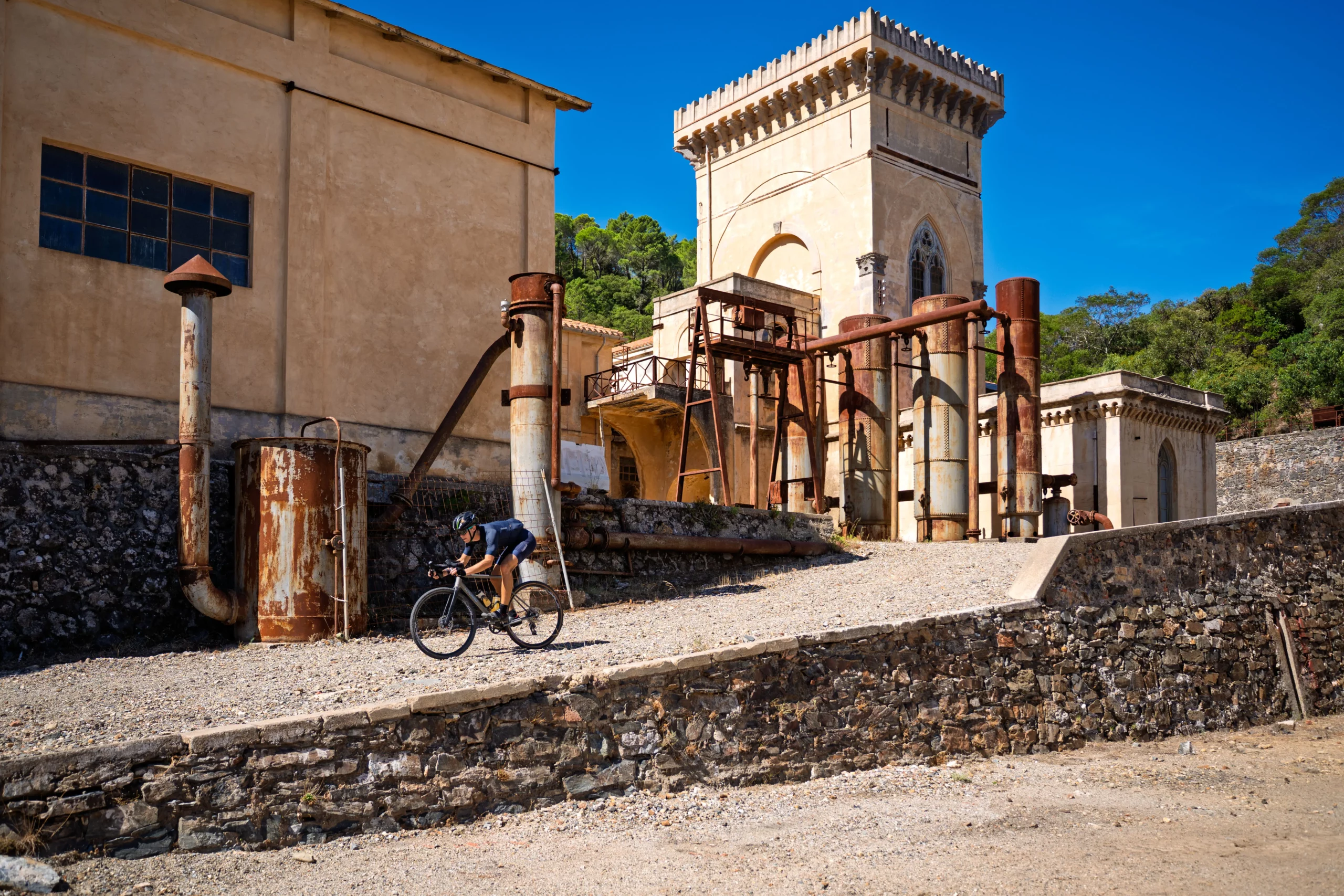
Montevecchio, about 25 kilometres from Villacidro, was once the beating heart of Sardinia’s mining industry. From 1848 until its closure in 1991, an entire village worked in its mines to extract lead, zinc, and silver. At its peak in the late 19th century, Montevecchio was one of the largest mines in Italy; with 1,100 workers, and a place where modern machinery, electric power, and new techniques were tested long before spreading elsewhere. Stretching some twelve kilometres, the mine became an important part of the region’s identity, still visible today.
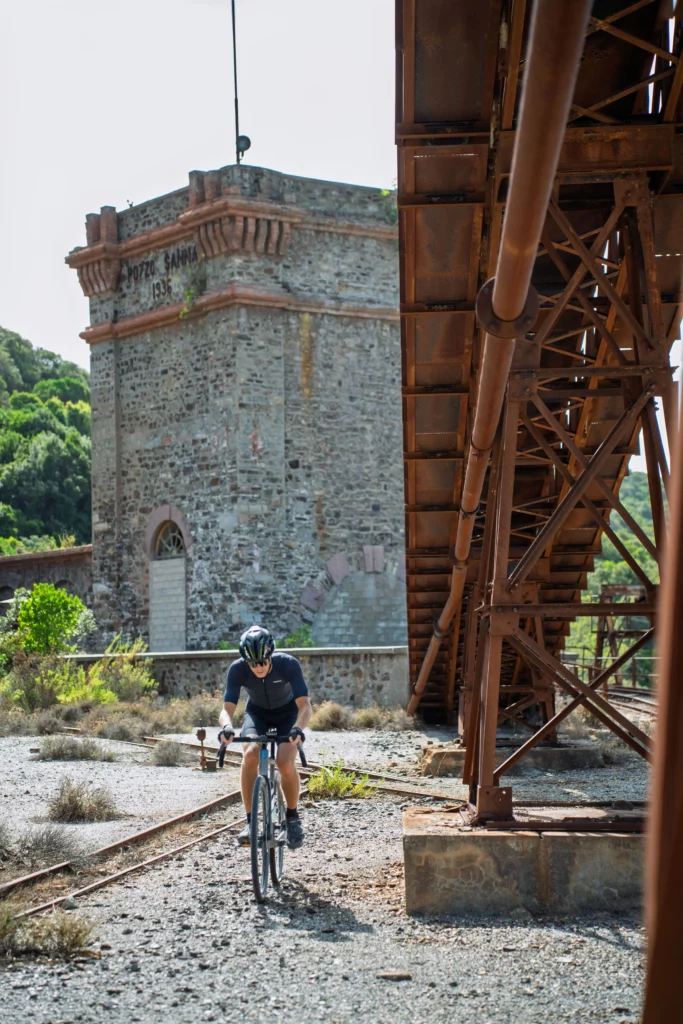
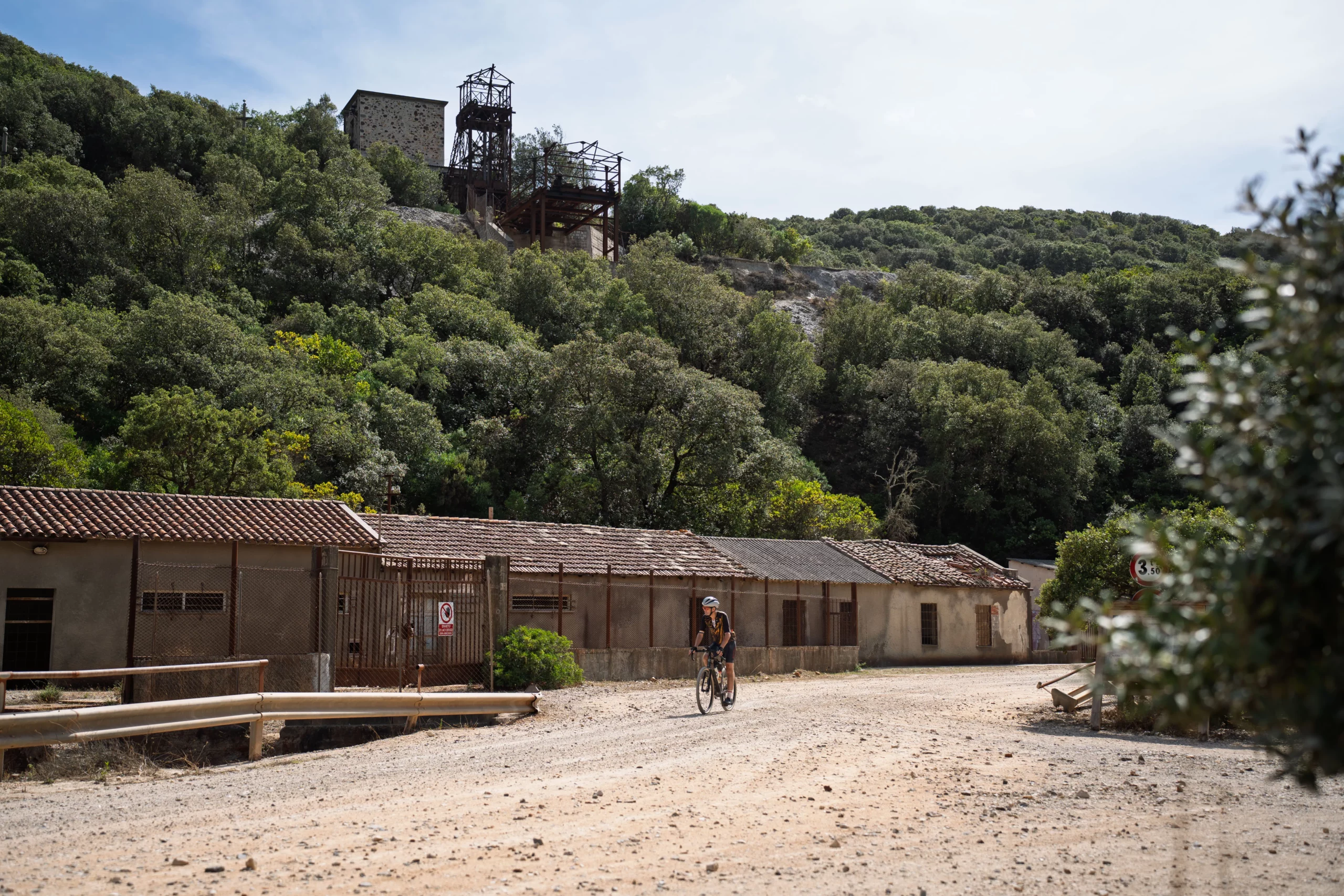
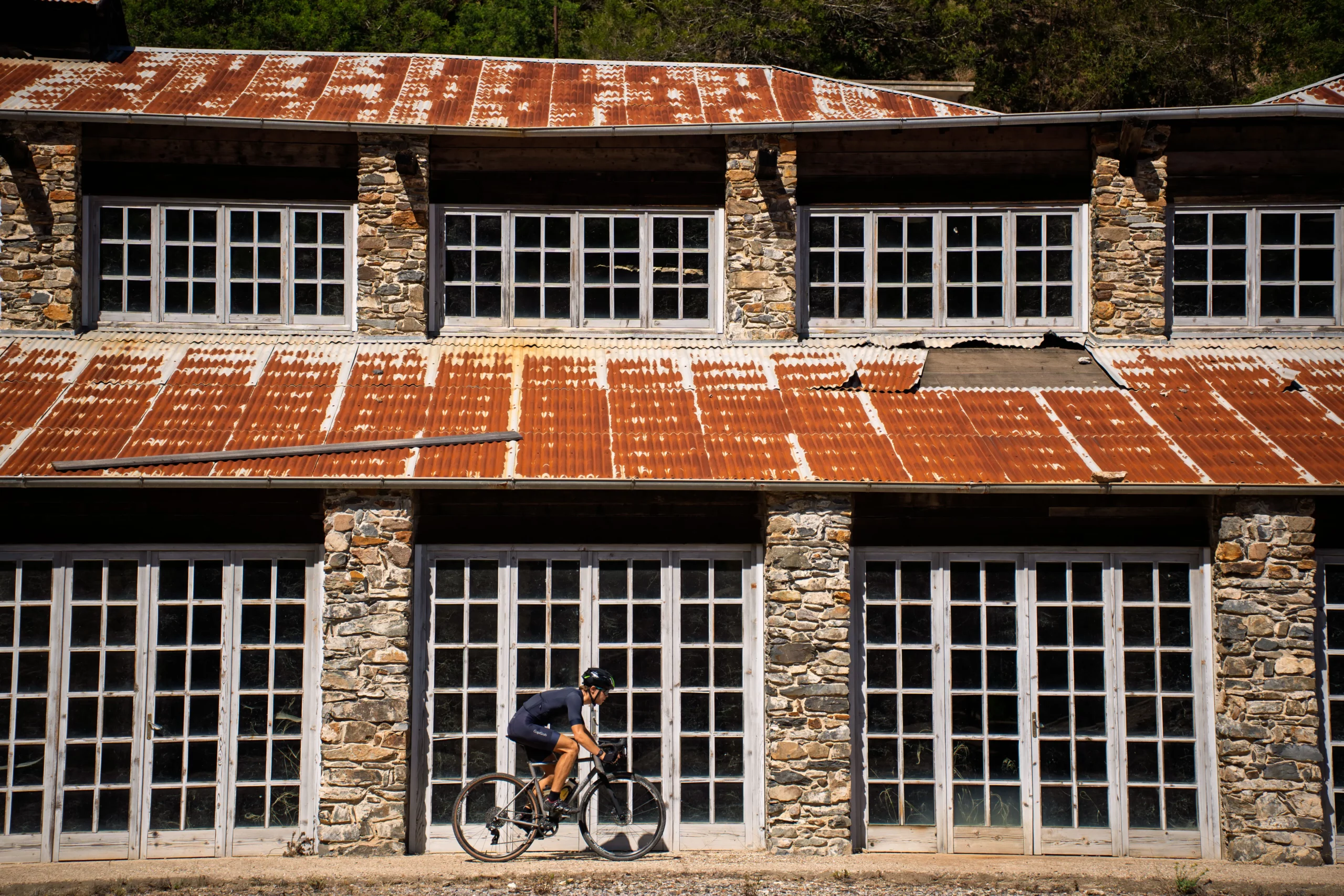
Riding through the site today feels like entering a self-contained world. The remains of the complex make it seem as though the mines were abandoned overnight. The homes of the miners and their families are still present today, as well as a hospital, workshops, and even sports fields. Each ‘yard’ from Sant’Antonio to Piccalinna had its own character, and was linked by railway lines (now gravel roads) and narrow paved roads winding across the hillsides. The imposing Palazzo della Direzione, now a museum, still dominates the valley as a symbol of both the wealth and the social hierarchy that defined life in Montevecchio.
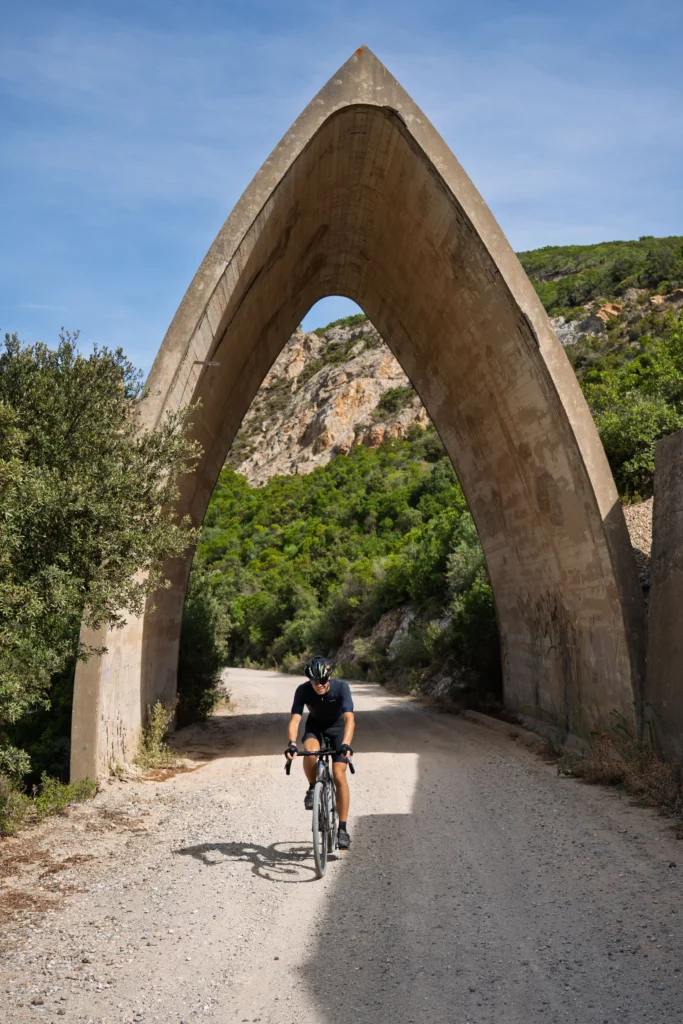
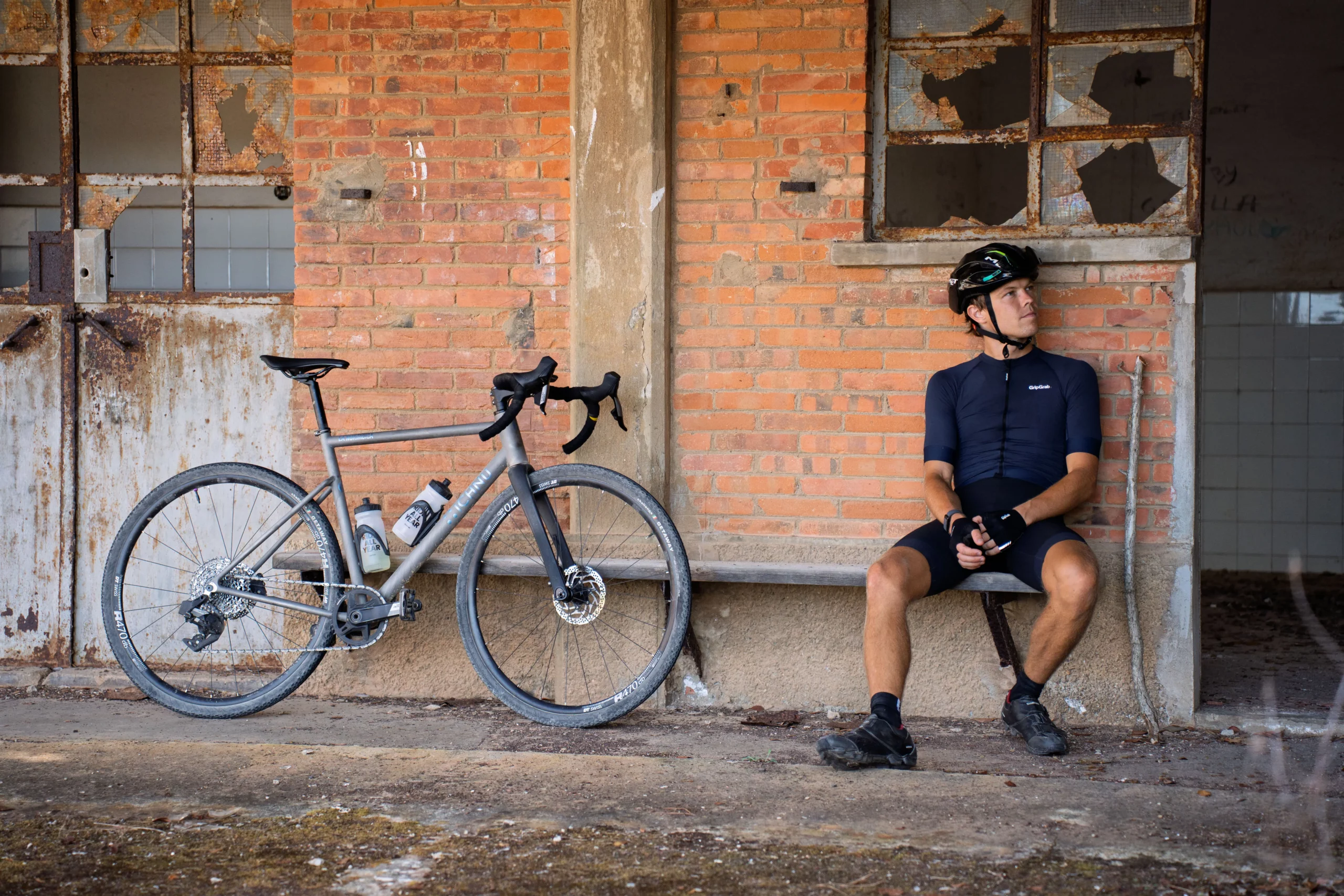
Now part of the Sardinian Geomineral Park, Montevecchio is a vast and largely free-of-charge open-air museum, where cycling is allowed. Fences keep cars out while cyclists can pass freely, experiencing something unique. Visitors can explore the old shafts, walk through the Anglosarda Gallery, and admire the massive extraction machines that once roared into life every morning. Today, only the hum of our Ichnu wheels breaks the silence of the early hours. Montevecchio has become a ghost town, with the local restaurant opening its doors just for us, serving nothing more than a salami sandwich. It’s the first and only place we come across since leaving Villacidro, making our GripGrab cargo bibs—with pockets on both sides—not just a luxury accessory but absolutely essential. The timing of our lunch stop is perfect, because right then we puncture on one of the gravel roads.
As we replace a standard tube with an ultra-durable Tubolito and continue riding, the number of salamanders far outweighs the number of people we meet. It takes some time before we complete the old railway to San Gavino, whose main attractions are the sunbleached murals painted on about one hundred walls in the town. Here, a local bartender welcomes us enthusiastically; the first two tourists he has seen today.
In this sense, Montevecchio is not the only place where you feel like the only tourist on the island: this part of Sardinia is generally untouched by tourism. Indeed, this is exactly what Cristina and Massimo from La Nuragica hope to highlight, believing in the area’s potential as a gravel destination. The movement is also backed by Fabio Aru, stage winner in all the Grand Tours, who was born here. “In this part of Sardinia you can still experience authentic culture, without the influence of mass tourism.”
The bartender hands us a map with all the town’s murals, an artistic initiative called Non Solo Murales, launched in 2014 by the cultural association Skizzo. Beyond decorating the urban landscape, the art serves as a form of social commentary and cultural expression. “These murals deal with themes such as our identity, culture, and history. Let this map guide you”, Fabrizio tells us with enthusiasm.
Hospitality, humility, and generosity define the people of this part of southwest Sardinia. Everyone greets each other on the streets, and even drivers with cyclists on the small winding roads. Sardinians are extremely proud of their history, cuisine, and culture; whilst also extending a warm welcome to tourists exploring their region.

On the way back to our accommodation, the average speed naturally drops. It’s been a full day out, combining demanding gravel roads with a cultural immersion. Domo Rooms feels like returning to a place where time has stood still. We throw our sweaty, salt-stained clothes into the washing machines before choosing one of the town’s restaurants for dinner, naturally following the locals’ advice.
Villacidro, home to the Middle Point of the gravel event Shardana Bikeventure, certainly has the potential to establish itself as a gravel destination in the years to come.Although, honestly, it might be better if Villacidro remained slightly unknown to the masses, since empty mines, deserted roads, and the warmth of the local community could be affected by an influx of visitors. A good reason to visit sooner rather than later.
Related stories